
 English
 français
 русский
 العربية
Buscar
Qué estás buscando?
Buscar
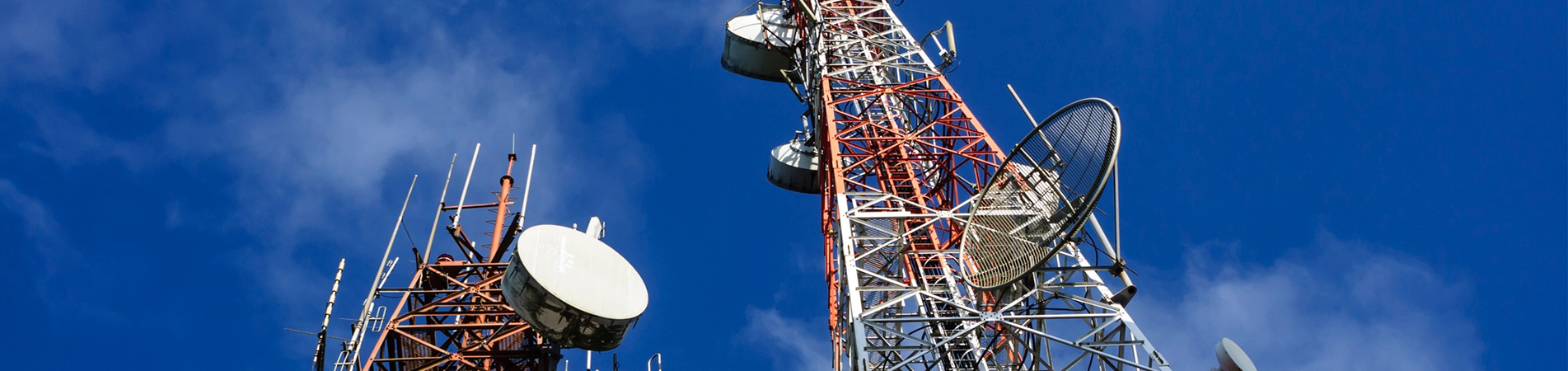
En la búsqueda incansable de una cobertura inalámbrica expansiva (para radiodifusión, enlaces de microondas de larga distancia o redes móviles de próxima generación), la altura es el activo más importante.
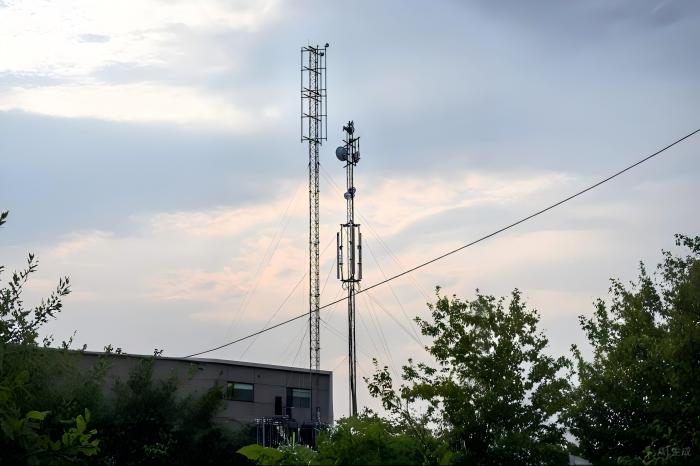
Extiende la línea de visión, elimina obstáculos del terreno y maximiza el valor económico de un solo sitio. Sin embargo, para las torres autoportantes tradicionales (monopostes o de celosía), aumentar la altura implica una penalización económica devastadora: los costos de materiales y la demanda de cimentación aumentan exponencialmente. Más allá de aproximadamente 150-180 metros, el paradigma convencional se rompe. Aquí es donde... torre de mástil arriostrada Afirma su supremacía ingenieril y económica. Al aprovechar con maestría los cables tensados, desafía la gravedad no mediante la masa bruta, sino mediante una distribución inteligente de la fuerza, alterando radicalmente la relación entre altura y coste para estructuras de 200, 300 e incluso 400 metros.
Este blog deconstruye los principios básicos que permiten que las torres arriostradas alcancen alturas extremas con una notable economía de materiales.
Para una torre autoportante, cada metro adicional de altura debe resistir momentos de vuelco crecientes debido al viento. Esta resistencia se obtiene únicamente por la propia rigidez a la flexión de la torre y la capacidad de la cimentación para resistir la elevación. El resultado es una relación cúbica entre la altura y el material necesario. Duplicar la altura de una torre autoportante suele requerir aproximadamente ocho veces la cantidad de material en las secciones inferiores para mantener la estabilidad. Las cimentaciones se convierten en estructuras masivas con pilotes profundos para evitar vuelcos. Esto hace que los diseños autoportantes de más de 180-200 m sean prohibitivamente caros y logísticamente desalentadores.
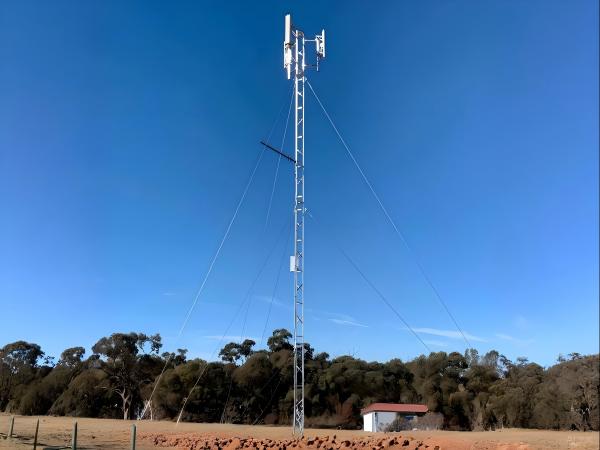
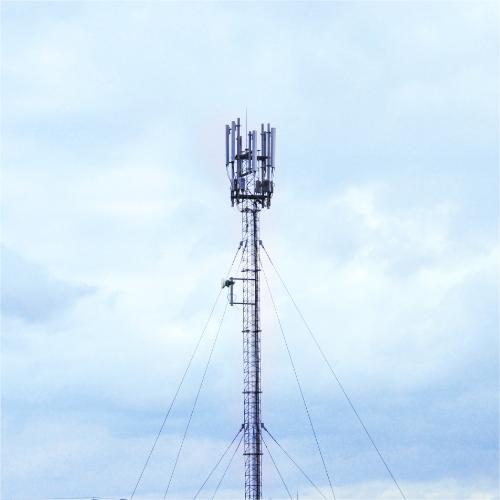
El mástil atirantado invierte este problema. Se trata de una columna vertical esbelta (el mástil), estabilizada no por su propia circunferencia, sino por un sistema de cables tensores de acero de alta resistencia anclados al suelo a distancias radiales. Este sistema transforma la acción estructural principal de flexión (ineficiente) a compresión y tensión axial (altamente eficiente).
· Transformación de carga: Cuando el viento empuja el mástil, intenta doblarlo. Los tensores del lado de sotavento resisten este movimiento tensándose. Esta tensión tira del mástil hacia la vertical, mientras que los tensores de barlovento se aflojan ligeramente. El mástil experimenta principalmente compresión axial, un caso de carga donde el acero ofrece un rendimiento excepcional.
· El poder de la pretensión: Los cables no se instalan flojos. Se pretensan durante el montaje a una carga calculada. Esta tensión inicial garantiza que todos los cables permanezcan tensos bajo diferentes direcciones del viento, eliminando los ciclos dinámicos de deformación y tensado que causan fatiga. La pretensión también aumenta la frecuencia natural del sistema, mejorando su estabilidad dinámica.
1. Eficiencia del material y resolución óptima de la fuerza
El mástil puede ser un tubo de acero increíblemente delgado o una sección de celosía, ya que no requiere una gran resistencia a la flexión. Su función principal es soportar su peso y la carga del equipo como una columna. La inmensa fuerza lateral del viento se descompone en fuerzas axiales manejables: compresión en el mástil y tensión en los cables. Un cable de acero de alta resistencia, con una resistencia a la tracción muy superior a la del acero estructural utilizado en compresión, soporta esta tensión con una cantidad mínima de material. Esta separación de funciones (compresión y tensión) permite que cada material se utilice donde mejor rinde, lo que resulta en una estructura que a menudo pesa menos de la mitad que una torre autoportante de altura equivalente.
2. La geometría de la estabilidad: radio de anclaje y niveles de tirantes
La rigidez y la economía del sistema están determinadas por la geometría.
Radio de anclaje: La distancia desde la base del mástil hasta los anclajes al suelo. Un radio mayor permite que los tensores actúen en un ángulo más favorable, reduciendo la tensión necesaria para contrarrestar un momento de viento determinado. Esto representa un factor económico clave.
Varios niveles de chicos: Los mástiles altos emplean varios conjuntos de tensores fijados a diferentes alturas. Esto divide el mástil en una serie de columnas más cortas y eficazmente arriostradas, lo que evita el pandeo global y minimiza el diámetro del mástil. El número y la separación óptimos de los niveles de tensores se calculan para minimizar el coste total del material (mástil + cable).
3. Simplificación de la Fundación: De la Elevación a la Gravedad
Esta es una ventaja de costo transformadora. Una cimentación de torre autoportante debe diseñarse como un sistema resistente a momentos, que resista enormes fuerzas de elevación y vuelco con pilotes profundos o contrapesos de hormigón macizos. Una cimentación de mástil atirantado se simplifica:
Fundación Mástil: Soporta principalmente una carga de compresión vertical directa (el peso de la estructura). Se trata de una losa o encepado simple.
Cimientos de anclaje: Están diseñados para resistir la elevación vertical pura causada por la tensión del cable. Si bien es significativo, diseñar para la elevación pura utilizando peso muerto (bloques de hormigón) o anclajes de roca es fundamentalmente más sencillo, requiere un refuerzo menos complejo y es mucho más rentable por kilonewton de resistencia que una cimentación resistente a momento.
4. Dominio aerodinámico y dinámico
En alturas extremas, la respuesta dinámica es fundamental.
Amortiguación aerodinámica: El sistema cuenta con amortiguación inherente. La energía de las ráfagas de viento se disipa mediante un ligero estiramiento elástico y la vibración de los largos tramos de cable.
Evitar la resonancia: La frecuencia natural fundamental de un mástil atirantado bien diseñado suele ser muy baja (p. ej., 0,2-0,5 Hz), considerablemente inferior a la frecuencia de los vórtices generados por el mástil esbelto y a las frecuencias de forzamiento de la turbulencia eólica. Se pueden añadir amortiguadores suplementarios (p. ej., amortiguadores Stockbridge en los cables) para suprimir vibraciones específicas inducidas por el viento.
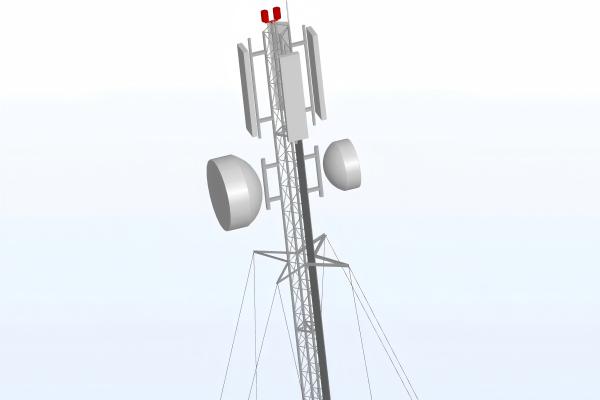
El efecto combinado de estos principios es una drástica reducción de la curva de costos. Mientras que el costo de una torre autoportante aumenta exponencialmente, el costo de un mástil arriostrado aumenta a un ritmo mucho más cercano a la linealidad con la altura. El material adicional para un mástil arriostrado más alto es principalmente incremental: mayor longitud de la sección esbelta del mástil y cables de sujeción más largos. Los componentes fundamentales de ingeniería —el concepto de transferencia de carga por tensión y los tipos de cimentación— no cambian, lo que permite un diseño escalable.
Instantánea comparativa: Torre de 250 m
· Torre de celosía autoportante: Requeriría una base de celosía enorme y cónica con miembros de enormes tamaños, un sistema de cimentación extraordinariamente complejo y profundo, y un peso total de acero potencialmente superior a las 1.500 toneladas.
· Mástil atirantado: Se emplearía un mástil tubular relativamente uniforme y delgado (de unos 2-3 m de diámetro), de 3 a 4 niveles de tirantes y un conjunto de cimentaciones de bloques de gravedad o anclajes. El peso total del acero podría ser inferior a 500 toneladas. La diferencia de coste puede ser de 2 a 3 veces a favor de la solución con tirantes.
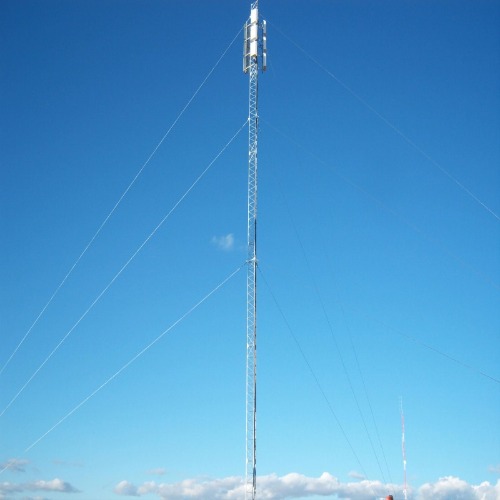
Las torres de comunicación arriostradas representan el triunfo de la ingeniería basada en principios sobre la fuerza bruta. Al comprender y aprovechar los eficientes mecanismos de carga de tensión y compresión, y al utilizar el propio terreno como componente estructural clave mediante anclajes, resuelven el problema de la altura extrema de la forma más económica posible.
No son adecuados para cualquier sitio (requieren un terreno considerable para los radios de anclaje), pero donde el espacio lo permite, son la solución indiscutible y más económica para atravesar la barrera de los 200 metros y más. Al desafiar la gravedad para conectar el mundo, demuestran que la ingeniería más poderosa no consiste en usar más, sino en usar la fuerza con mayor inteligencia. Para alcanzar los cielos en busca de cobertura, el mástil arriostrado sigue siendo la opción más racional y que desafía la gravedad.
Obtenga más información en www.alttower.com



 Red IPv6 compatible