

 English
 français
 русский
 العربية
Buscar
Qué estás buscando?
Buscar
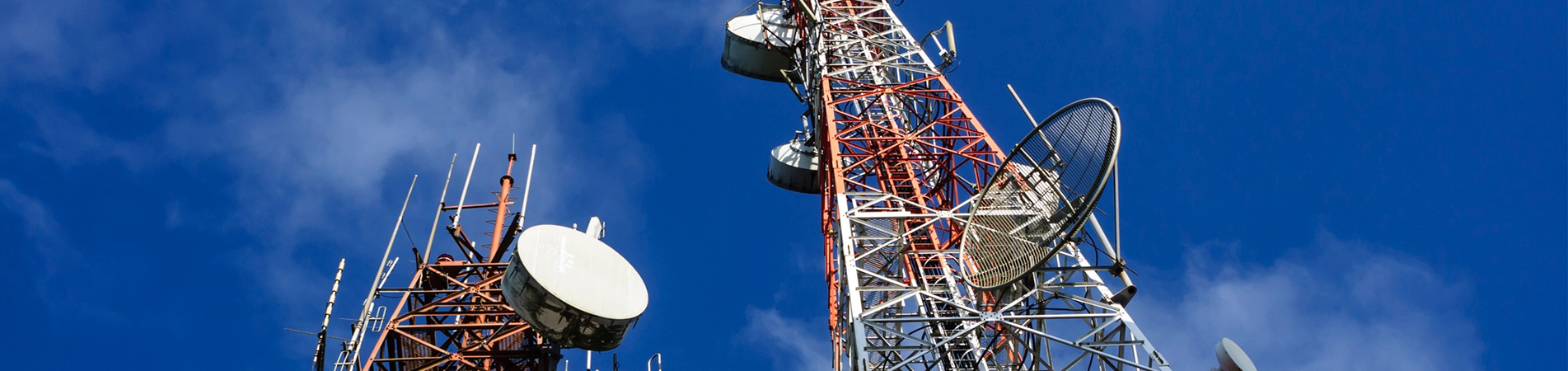
La industria de las telecomunicaciones está presenciando una reestructuración fundamental de las funciones de la infraestructura. Durante décadas, la arquitectura de la conectividad estuvo integrada verticalmente: una sola torre, un solo operador, un solo propósito. Hoy en día, está surgiendo una nueva división del trabajo que aprovecha las fortalezas únicas de los recursos espaciales y terrestres. En este paradigma, las constelaciones de satélites como Starlink dominan la cobertura de área extensa y el backhaul, mientras que las torres terrestres gestionan la inferencia de IA de baja latencia y la penetración en interiores. No se trata de una competencia por la supremacía, sino de una especialización estratégica impulsada por la física y la economía inmutables.
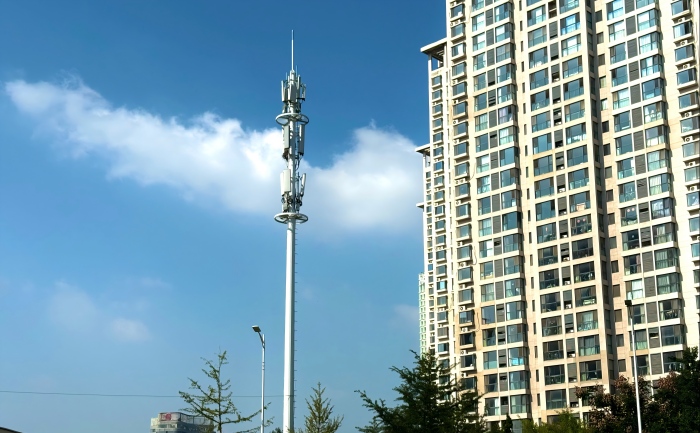
La limitación más fundamental para las comunicaciones satelitales es el espectro. El director ejecutivo de AT&T, John Stankey, impartió recientemente una "lección de física" a la industria, destacando una cruda realidad numérica: los operadores de redes móviles terrestres tienen acceso a aproximadamente 300 megahercios de espectro por sitio celular , lo que supone más del triple de los 80 megahercios que SpaceX puede proporcionar desde toda su constelación de satélites.
Esta asignación de 80 MHz debe compartirse a través de un haz puntual que cubre un radio de aproximadamente 32 kilómetros, en comparación con el radio de 3 a 4 kilómetros de una estación base terrestre. La implicación es ineludible: La densidad espectral (ancho de banda por usuario por kilómetro cuadrado) está fundamentalmente limitada en los sistemas satelitales. Como señaló Stankey, esto crea un enlace ascendente más débil y dificulta la sustitución de redes terrestres por satélites.
Un informe de Analysys Mason cuantificó esta limitación y descubrió que la constelación de Starlink podía proporcionar una capacidad máxima de enlace descendente por haz de solo 18,3 Mb/s utilizando 5 MHz de espectro "en condiciones óptimas", capacidad que debe compartirse entre todos los usuarios bajo ese haz.
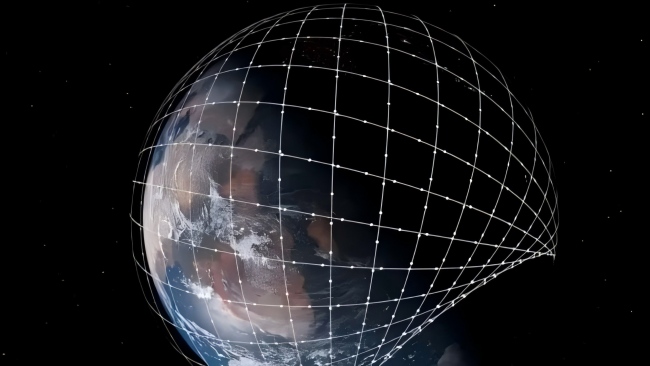
Las señales satelitales se enfrentan a otra limitación inmutable: la penetración en edificios. Las investigaciones han demostrado sistemáticamente que las frecuencias más altas —precisamente las que utilizan los sistemas satelitales modernos para el ancho de banda— sufren de forma desproporcionada la atenuación causada por las paredes.
Estudios académicos sobre la propagación de satélites a interiores en las bandas L, S y C han documentado pérdidas significativas de penetración en edificios que aumentan con la frecuencia. Una campaña exhaustiva de medición, utilizando un dirigible teledirigido como pseudosatélite, reveló una marcada dependencia del ángulo de elevación en la pérdida de señal, y las condiciones sin línea de visión dentro de los edificios presentan enormes desafíos.
Para las señales satelitales en órbita baja (LEO), la penetración en interiores profundos sigue siendo problemática. Sin embargo, las investigaciones han demostrado que constelaciones de baja frecuencia como Orbcomm (que opera en la banda VHF de 137-138 MHz) pueden lograr una penetración notable en interiores, llegando incluso a sótanos, mientras que los sistemas de alta frecuencia presentan dificultades. Esto subraya la disyuntiva fundamental: Las frecuencias más bajas penetran en los edificios pero ofrecen un ancho de banda limitado; las frecuencias más altas brindan capacidad pero se detienen en la ventana. .
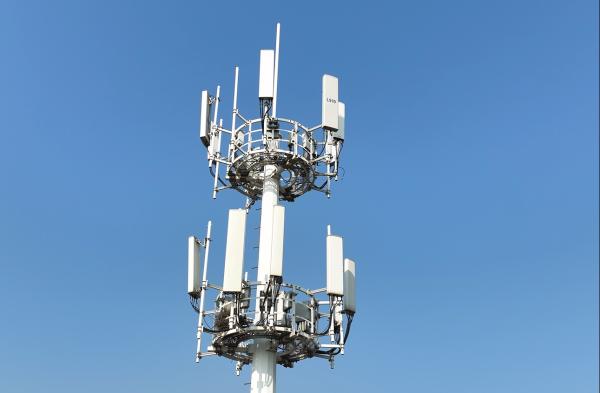
Los materiales de construcción modernos agravan el problema. El vidrio con revestimiento de baja emisividad (low-E), omnipresente en la construcción energéticamente eficiente, puede atenuar las señales de satélite en 4,2 dB o más en frecuencias de banda Ku. El vidrio con doble revestimiento de plata puede aumentar la atenuación a 3,5 dB, y cuando las señales deben pasar en ángulos oblicuos (algo típico de los satélites con ángulos de elevación más bajos), la pérdida de polarización puede aumentar hasta un 40 %.
AST SpaceMobile, proveedor de satélites directos a celdas, reconoce que lograr una recepción confiable en interiores requiere una intensidad de señal considerable. Si bien 35 dBi pueden ser suficientes para la conectividad en exteriores y vehículos, una penetración de luz confiable en interiores exige 40 dBi (el triple de la potencia de la señal) y los satélites de próxima generación aspiran a alcanzar 46 dBi para compensar la pérdida de señal en edificios.
La era emergente de la IA de borde y las aplicaciones en tiempo real introduce otra limitación: la latencia. Si bien los satélites LEO han reducido drásticamente los tiempos de ida y vuelta en comparación con la órbita geoestacionaria (Starlink alcanza latencias de 31 milisegundos en condiciones ideales), esto aún supera los requisitos de un solo dígito de milisegundos de los sistemas autónomos, la robótica industrial y la realidad aumentada.
Stankey enfatizó este punto, señalando que los enlaces satelitales ascendentes son inherentemente más frágiles que las redes terrestres que se conectan rápidamente a la fibra. Para la inferencia de IA, donde las decisiones instantáneas son cruciales, es fundamental transferir los datos a la fibra lo más rápido posible. Las torres terrestres con backhaul de fibra proporcionan la ruta de baja latencia y alta confiabilidad que exige la inteligencia distribuida.

Estas restricciones físicas sugieren naturalmente una especialización funcional:
Las constelaciones LEO destacan en lo que la infraestructura terrestre no puede lograr económicamente: conectar a quienes no están conectados. Para buques, aeronaves, zonas silvestres remotas y zonas de desastre, los satélites son la única solución viable. También sirven como enlace de alta capacidad para emplazamientos terrestres en ubicaciones difíciles.
ABI Research proyecta que el mercado de telefonía celular generará 11 600 millones de dólares en ingresos para 2030, y que solo las aplicaciones del IoT aportarán 4 000 millones de dólares. Como señaló Stankey, el satélite podría resultar superior para «activos que se desplazan por todo el mundo, como los buques portacontenedores», aplicaciones donde la movilidad global prima sobre la capacidad local.
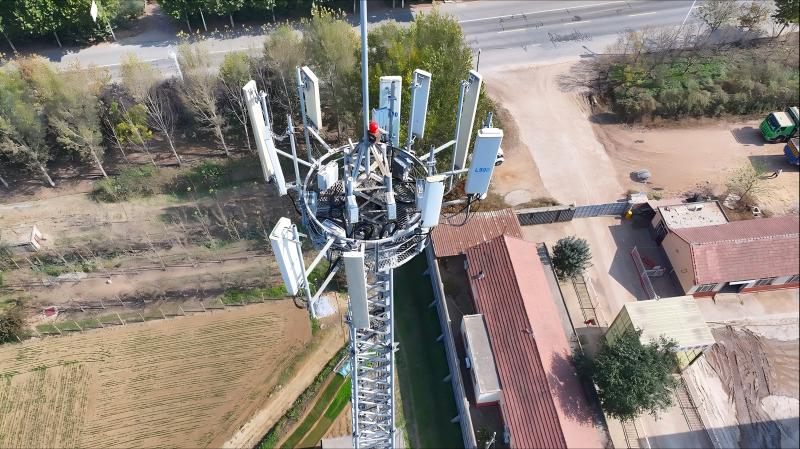
La infraestructura terrestre (los monopolos, las torres reticulares y las celdas pequeñas, tema de esta serie de blogs) seguirá siendo la base de la conectividad de alta densidad. Con más de 300 MHz de espectro por sitio, backhaul de fibra y proximidad a los usuarios, las torres terrestres ofrecen:
Capacidad masiva para entornos urbanos densos
Cobertura confiable en interiores a través de bandas de baja frecuencia y sistemas de antenas distribuidas
Latencia ultrabaja para computación de borde e inferencia de IA
Soporte para tecnologías masivas MIMO y de formación de haz que maximizan la eficiencia espectral
La verdadera promesa no reside en elegir una arquitectura sobre otra, sino en integración perfecta Starlink ya opera más de 8000 satélites en órbita, de los cuales más de 600 ofrecen servicios directos a dispositivos. Los operadores terrestres se están asociando con proveedores de satélites —AT&T con AST SpaceMobile, otros con Starlink— para crear redes donde los dispositivos seleccionan inteligentemente la ruta óptima según la ubicación, la actividad y los requisitos.
Este modelo híbrido reconoce que:
Al aire libre y móvil puede favorecer la conectividad satelital
En interiores y estacionarios exige infraestructura terrestre
Escenarios de emergencia Requiere ambos, con conmutación por error automática
Aplicaciones de IoT Puede utilizar satélites para informes remotos y datos terrestres para redes densas de sensores.
La nueva división del trabajo en la infraestructura de telecomunicaciones no es una batalla por la supremacía, sino el reconocimiento de fortalezas complementarias. Los satélites, con su alcance global y la disminución de los costos de lanzamiento, dominarán la capa de transporte de área extensa, conectando a las personas remotas, móviles y desatendidas. Las torres terrestres, con su abundancia espectral, penetración en edificios y proximidad a la fibra, anclarán la capa de capacidad, proporcionando el ancho de banda y la baja latencia que exigen la IA, el streaming y las aplicaciones en tiempo real.
Como señaló un analista del sector, el mercado está "evolucionando rápidamente y muchos servicios están encontrando una implementación optimizada mediante alianzas estratégicas". Los ganadores en este nuevo panorama serán aquellos que adopten la especialización, se integren fluidamente en todos los dominios y respeten las limitaciones físicas que, en última instancia, rigen toda comunicación.
El cielo no es el límite: es una parte de un sistema unificado que se extiende desde la órbita baja de la Tierra hasta la femtocelda interior más pequeña, y cada elemento desempeña la función para la cual la física y la economía lo han adaptado mejor.
Obtenga más información en www.alttower.com



 Red IPv6 compatible