

 English
 français
 русский
 العربية
Buscar
Qué estás buscando?
Buscar

En la industria global de las telecomunicaciones, el trayecto desde la fábrica hasta el campo suele ser más complejo que la ingeniería de la propia torre. El envío de enormes estructuras de acero a través de continentes, la gestión de aduanas, la coordinación de grúas de gran capacidad y la administración de mano de obra especializada en ubicaciones remotas han consumido tradicionalmente entre el 30 % y el 40 % del presupuesto total de los proyectos. Pero una silenciosa revolución ha transformado este panorama. A través de Diseño de torre modular de acero angular Los equipos de ingeniería han reinventado por completo la forma en que se empaquetan, transportan y ensamblan las torres, reduciendo drásticamente los costos logísticos, acelerando los plazos de implementación y desbloqueando nuevos niveles de eficiencia en los proyectos.
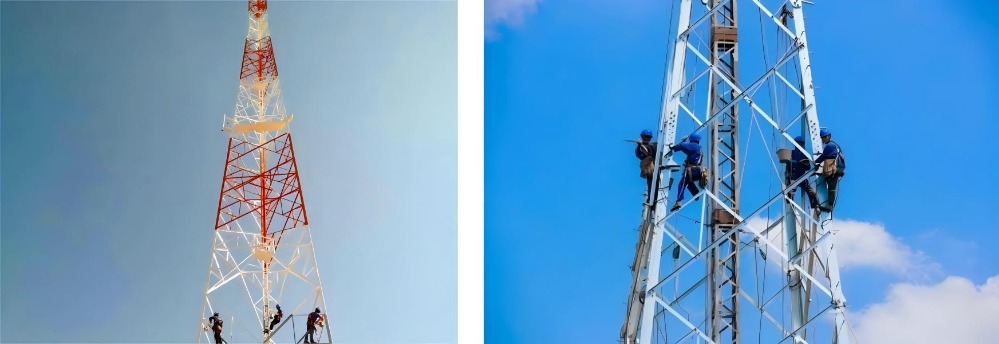
Los diseños convencionales de torres, en particular los monopostes soldados y las torres de sección sólida, imponen graves problemas logísticos. Una sola sección de torre soldada puede exceder las dimensiones de envío estándar, lo que requiere remolques de plataforma especializados, escoltas policiales y una planificación de rutas que añade semanas a los plazos de entrega. Los componentes diseñados sin tener en cuenta las dimensiones estándar para camiones, los límites de peso o el tamaño de los contenedores dan lugar a costosos envíos de gran tamaño, complejos sistemas de sujeción y múltiples viajes.
Los costos ocultos se multiplican en los proyectos internacionales. Cada envío de gran tamaño requiere costosos gastos de transporte de carga fraccionada, embalaje a medida y tarifas de manipulación portuaria que pueden incrementar los costos de flete entre un 200 % y un 300 % en comparación con las mercancías estándar en contenedores. Para los proyectos de torres en regiones remotas o economías en desarrollo, estas barreras logísticas históricamente han hecho que su despliegue sea prohibitivamente caro o logísticamente imposible.
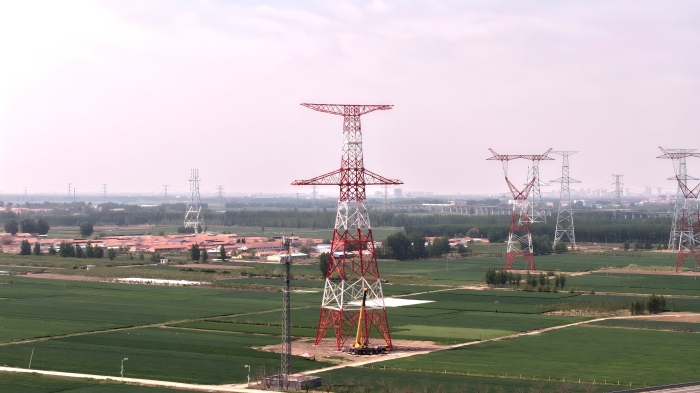
La idea fundamental que subyace a las torres modulares de acero angular es engañosamente simple: diseñar la torre en torno al contenedor de transporte, y no al revés.
A diferencia de los diseños tubulares soldados o monopostes, que ocupan formas fijas y voluminosas, los perfiles angulares de acero se encajan entre sí con una densidad extraordinaria. La construcción angular se apila ordenadamente en un contenedor, a diferencia de la construcción soldada, que requiere mucho más espacio. Un contenedor de envío promedio de 20 pies puede contener 40 000 libras de carga. Con la construcción angular, se puede maximizar la capacidad de carga total de una manera que no es posible con la construcción soldada. Dado que la construcción angular necesita menos espacio, requiere el uso de menos contenedores, lo que reduce directamente los costos de envío.
Esto no es una mejora gradual; es una transformación radical. Para una torre de celosía típica de 60 metros, la construcción soldada podría requerir entre 10 y 12 camiones o envíos a granel. Una torre angular modular de capacidad equivalente a menudo se puede embalar en 3 o 4 contenedores estándar de 40 pies, lo que representa un ahorro en flete del 60 al 70 %.
La filosofía de Diseño para la Fabricación e Instalación (DFMI) codifica este enfoque. La modularización para un transporte y manejo óptimos exige que las dimensiones y el peso máximos de cualquier módulo de envío estén determinados por las especificaciones estándar de los remolques de plataforma o contenedores. DFMI divide la torre en los módulos más grandes posibles que aún cumplen con estos límites, minimizando así el número de envíos y operaciones de elevación con grúa.
Siempre que sea posible, los componentes más pequeños se unen de forma permanente en un entorno de fábrica controlado para formar submódulos rígidos de mayor tamaño: paneles de refuerzo completos, secciones de patas con escaleras preinstaladas. Esta estrategia traslada la mano de obra del exigente entorno de campo al eficiente taller, reduciendo drásticamente el tiempo de montaje in situ.
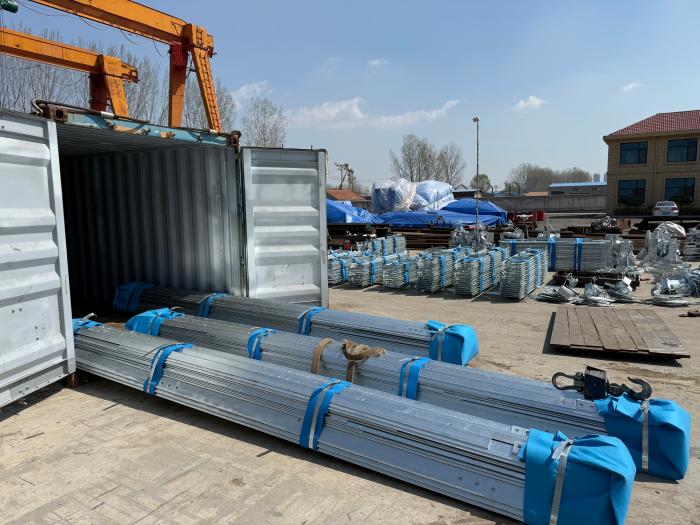
Las soluciones de embalaje avanzadas han llevado la eficiencia de los contenedores a un nivel superior. Algunos fabricantes ahora emplean estructuras de acero a medida, dimensionadas con precisión para contenedores de carga seca de 20 y 40 pies. La longitud, el ancho, la altura, la separación de las vigas de soporte y la posición de los puntos de sujeción de los componentes se ajustan perfectamente a la pared interior del contenedor. El resultado es un sistema verdaderamente listo para usar: los componentes solo requieren una colocación precisa antes de introducirlos en el contenedor para asegurar rápidamente la estructura y el contenedor.
Este diseño elimina los tediosos pasos de medición repetida y refuerzo temporal que se encuentran en los embalajes tradicionales, logrando reducciones del 60 % en el tiempo de ensamblaje de un solo marco.
Las ventajas del embalaje modular van más allá del ahorro en fletes y se extienden hasta la propia obra. La descarga tradicional de estructuras de acero es notoriamente lenta: los componentes voluminosos requieren asistencia manual, los espacios reducidos en los contenedores provocan un apilamiento caótico y se necesitan varias horas o incluso medio día para descargar un solo camión, lo que retrasa el progreso de la construcción y aumenta los costos de mano de obra y equipo.
Las soluciones de embalaje innovadoras han revolucionado este proceso. Cuando un contenedor llega a la obra, los operarios no necesitan esperar a que lleguen grandes equipos de elevación. Basta con abrir la puerta y soltar los cierres rápidos del bastidor para extraer la estructura de acero completa del contenedor. Un solo operario, con la ayuda de una pequeña carretilla elevadora, puede transportar varias toneladas de componentes hasta la zona de construcción.
El aumento de eficiencia es espectacular. Tradicionalmente, descargar un camión de estructuras de acero lleva de 3 a 4 horas. Tras implementar soluciones de embalaje optimizadas, el tiempo de descarga se reduce a 1,5-2 horas. un aumento directo del 40% en la eficiencia de descarga .
Aún más destacable es que la propia estructura de acero puede utilizarse directamente como estantería de apilamiento temporal en la obra. No se requiere manipulación secundaria; los componentes pueden extraerse directamente de la estructura para su instalación, logrando una conexión fluida entre transporte, almacenamiento y construcción, y acortando aún más el ciclo del proyecto.
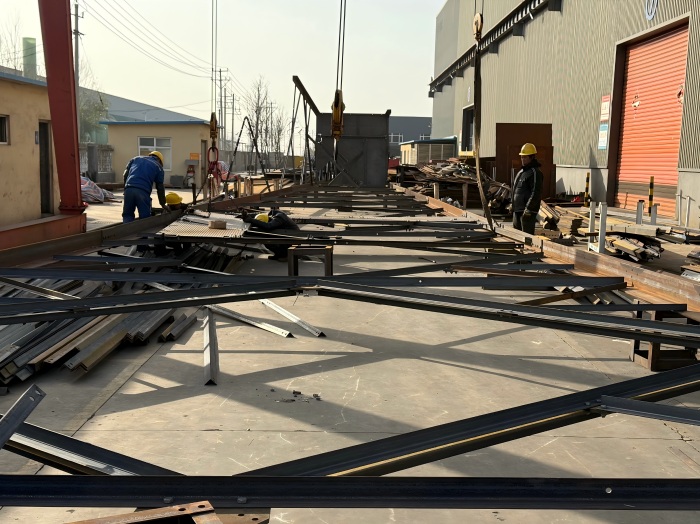
Si el embalaje modular resuelve el desafío logístico, conexiones atornilladas de alta resistencia Resuelve el desafío del ensamblaje. Las modernas torres de celosía están diseñadas como estructuras modulares, compuestas de ángulos, tubos o vigas de acero unidos por pernos de alta resistencia.
A diferencia de la soldadura, las conexiones atornilladas ofrecen flexibilidad, facilidad de montaje y adaptabilidad a las condiciones del terreno. Estas ventajas son decisivas en escenarios de despliegue remoto.
No se requieren soldadores expertos: Soldar en lugares remotos exige soldadores certificados, equipos especializados y condiciones adecuadas para operaciones a altas temperaturas, algo que suele ser imposible con viento fuerte, lluvia o frío. El atornillado solo requiere herramientas manuales y formación básica.
Mayor velocidad de ensamblaje: El sistema de atornillado acelera el montaje en obra, reduciendo significativamente los costes laborales.
Ajuste perfecto gracias a una fabricación de precisión: Las piezas fabricadas en fábrica ofrecen alta precisión con mejores tolerancias de construcción, lo que facilita y agiliza el montaje. Cuando los componentes se cortan y perforan mediante CNC para que encajen a la perfección, el ensamblaje en obra se reduce a insertar tornillos y aplicar el par de apriete necesario, en lugar de tener que ajustar y forzar orificios desalineados.
Reversibilidad y adaptabilidad: Los componentes se pueden desmontar para realizar actualizaciones o reparaciones, una ventaja fundamental para las torres expuestas a climas adversos o a requisitos de red en constante evolución.
Zonas sin riesgo de sufrir daños por calor (ZRC): A diferencia de la soldadura, el atornillado elimina los riesgos de fragilización o deformación del acero por el calor, preservando la integridad de los recubrimientos galvanizados y las propiedades del material base.
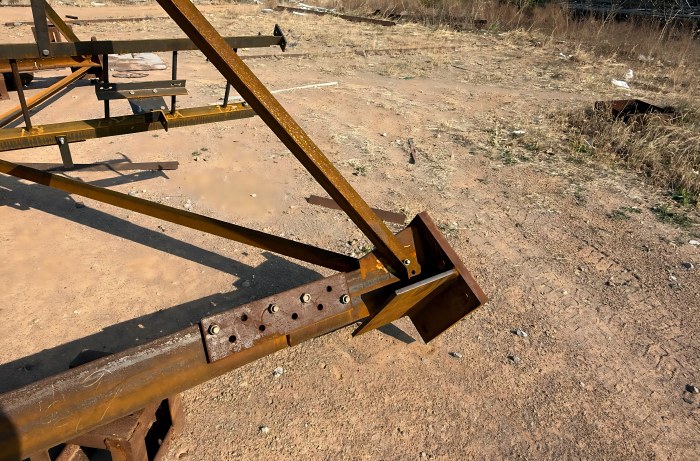
Los pernos de alta resistencia para aplicaciones en torres se fabrican con acero al carbono o acero aleado de alta calidad, sometidos a tratamiento térmico para alcanzar resistencias a la tracción superiores a 800 MPa. Entre los grados más comunes se incluyen los ASTM A325 y A490 (en EE. UU.) o los pernos ISO 898-1 Clase 10.9. Estos materiales se someten a rigurosas pruebas de límite elástico, resistencia al corte y comportamiento ante la fatiga para soportar fuerzas como vibraciones inducidas por el viento, cargas de hielo y dilatación térmica.
Los tratamientos superficiales, como el galvanizado en caliente o los recubrimientos de zinc-aluminio, se aplican para combatir la corrosión, una preocupación importante en entornos costeros o industriales.
Para aplicaciones críticas, las uniones con doble perno proporcionan una mayor integridad estructural, garantizando que la torre mantenga su resistencia ante cargas dinámicas y ambientales. La conexión atornillada también permite una transferencia de carga eficiente entre los componentes, facilitando además pequeños ajustes durante la construcción.
Las secciones de torre modulares estandarizadas se han convertido en un estándar de la industria precisamente por sus ventajas de instalación. Algunos fabricantes ofrecen secciones de torre modulares de 3 metros para facilitar el montaje y el ajuste de altura, con juntas de doble perno para una mayor rigidez estructural.
El método de construcción desmontable con pernos permite:
Identificación sencilla de componentes en campo
Envío eficiente en paquetes compactos
Actualizaciones futuras sin reemplazo estructural
Gestión de inventario simplificada
Algunos diseños incluso permiten secciones "anidadas" —secciones de 2,4 metros apiladas unas dentro de otras en un palé personalizado—, creando un paquete de envío excepcionalmente compacto que reduce drásticamente el volumen de transporte.
Cuando se combinan todas estas innovaciones —embalaje optimizado para contenedores, descarga eficiente y montaje atornillado— el impacto económico acumulativo es sustancial.
La construcción angular requiere menos contenedores, lo que reduce directamente los costos de envío. El embalaje optimizado de la estructura de acero puede reducir los costos logísticos para los clientes entre un 15 % y un 20 %, gracias a la reducción de las operaciones manuales, la disminución del alquiler de equipos (como grúas de gran tamaño) y la prevención de la pérdida de componentes.
El traslado de la mano de obra de fabricación del campo a la fábrica reduce los costosos gastos de mano de obra en obra, el tiempo de alquiler de grúas y los retrasos relacionados con el clima. El ensamblaje mediante pernos minimiza la necesidad de soldadores especializados, lo que amplía la disponibilidad de mano de obra y reduce las tarifas por hora.
El embalaje modular permite la descarga con pequeñas carretillas elevadoras en lugar de grandes grúas. Los módulos más pequeños y ligeros reducen los requisitos de capacidad de la grúa, lo que disminuye los costes de alquiler.
Los componentes estandarizados reducen el riesgo de desalineación, piezas faltantes o daños durante el transporte. El proceso de ensamblaje predecible y repetible minimiza los costosos retrabajos y los retrasos en los plazos de entrega.
La modularización DFMI acorta los plazos de implementación en semanas o meses, lo que permite un despliegue de red más rápido y una generación de ingresos más temprana.
| Factor de costo | Tradicional (Soldado/Monopolo) | Torre modular de acero angular | Ahorros |
|---|---|---|---|
| Utilización de contenedores | Malo: embalaje a medida, espacio desperdiciado, se requiere fraccionamiento de la carga. | Excelente: los miembros angulares encajan de forma compacta, alcanzando así su capacidad de carga máxima. | Reducción del 40-60% en el volumen de envíos |
| Tiempo de descarga | 3-4 horas por camión | 1,5–2 horas por camión (un 40 % más rápido) | Entre 500 y 1000 dólares por envío en mano de obra y equipo. |
| Mano de obra para el montaje en obra | Se necesitan soldadores: alta cualificación, alto coste. | Ensamblaje atornillado: mano de obra general, menor costo. | reducción del 30-50% |
| Equipos de campo | Grúa grande para secciones soldadas | Carretilla elevadora pequeña + grúa más pequeña para módulos atornillados | Ahorros de entre 2000 y 5000 dólares diarios |
| Cronograma del proyecto | De 4 a 6 semanas desde la preparación del terreno hasta la instalación. | 1-2 semanas | Despliegue entre un 50 % y un 75 % más rápido |
La era de concebir las torres como estructuras monolíticas soldadas en campo y fabricadas completamente in situ está llegando a su fin. La industria de las telecomunicaciones ha aprendido lo que los expertos en logística saben desde hace mucho tiempo: La forma más eficiente de enviar una estructura es diseñarla para ser enviada. Gracias al diseño modular de perfiles angulares de acero optimizado para contenedores, las soluciones de embalaje avanzadas y las conexiones atornilladas de alta resistencia, la industria ha establecido un nuevo estándar para la economía de los proyectos: uno en el que la logística es predecible, el montaje es rápido y el coste total es transparente desde el primer plano de diseño.
Desde la planta de producción hasta el último tornillo, las torres modulares de acero angular han aprendido a desplegar todo su potencial.
Obtenga más información en www.alttower.com



 Red IPv6 compatible