
 English
 français
 русский
 العربية
Buscar
Qué estás buscando?
Buscar

En el exigente mundo de las telecomunicaciones, donde el tiempo de actividad de la red es primordial, Celda sobre ruedas (COW) Se erige como un activo fundamental para el despliegue rápido, el aumento de capacidad y la cobertura de emergencia. Si bien se presta mucha atención, con razón, a su rendimiento de radiofrecuencia y velocidad de despliegue, una métrica más sutil, pero igualmente crucial, define su valor a largo plazo: Costo total de propiedad (TCO) Una parte significativa, y a menudo dominante, del TCO no corresponde al gasto de capital (CAPEX), sino al gasto operativo continuo (OPEX), impulsado en gran medida por el mantenimiento. Aquí es donde Diseño para la capacidad de servicio (DfS) La ingeniería deliberada de activos para facilitar la inspección, la reparación y el reemplazo de componentes se transforma de una característica deseable a una poderosa palanca financiera. Para los COW, una mayor facilidad de servicio reduce drásticamente los gastos operativos al minimizar el tiempo de inactividad, los costos de mano de obra y la complejidad operativa.
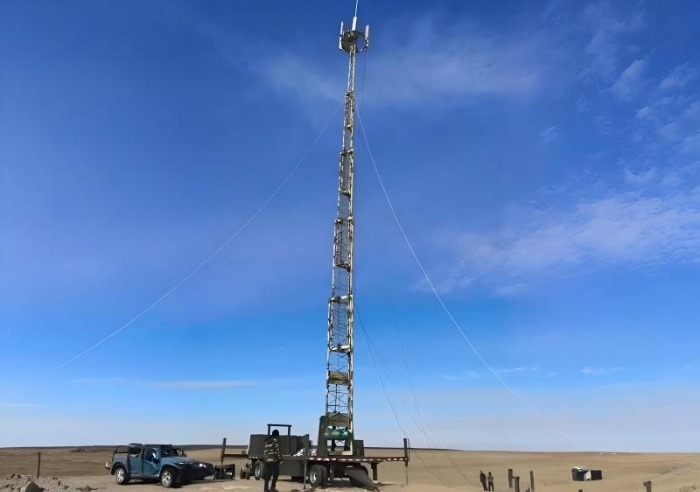
Los COW operan en los entornos más exigentes: ubicaciones remotas, recintos de eventos concurridos y zonas post-desastre. El mantenimiento en estas condiciones es fundamentalmente diferente al de un centro de operaciones de red (NOC) controlado.
Escenarios de alta presión: Cada minuto de inactividad durante un evento importante o una emergencia representa una pérdida significativa de ingresos y perjudica la seguridad pública.
Desafíos logísticos: Enviar técnicos especializados a sitios remotos o congestionados requiere mucho tiempo y es costoso. Los técnicos pueden tener herramientas limitadas y trabajar en condiciones climáticas o de iluminación adversas.
Presión por la falta de habilidades: La industria enfrenta una escasez de ingenieros de sistemas de potencia y RF altamente capacitados. Depender de estos expertos para reparaciones rutinarias o reemplazos de componentes es económicamente insostenible.
El objetivo principal de DfS es diseñar el COW para que una gama más amplia de personal pueda realizar reparaciones más rápidas, abordando directamente estos puntos problemáticos.
La primera batalla es llegar al componente defectuoso. El acceso deficiente es la principal causa de problemas prolongados. Tiempo medio de reparación (MTTR).
· Acceso sin herramientas: Los paneles abatibles con cierres cautivos robustos o pestillos de un cuarto de vuelta sustituyen a docenas de paneles atornillados. Esto permite a un técnico abrir un lateral completo del armario en segundos sin tener que buscar herramientas, una ventaja crucial en condiciones climáticas adversas o de noche.
· Distribución interna clara y segregación: Una distribución interna lógica y ordenada es fundamental. Los sistemas de alimentación (rectificadores, baterías, distribución) deben estar físicamente separados de los equipos de RF y banda base. Los cables deben colocarse en bandejas o canales claramente etiquetados, no en una maraña de cables que obstruya los componentes e impida el flujo de aire.
· Ergonomía y seguridad: Los componentes sujetos a mantenimiento frecuente (como bloques de fusibles, conectores de antena o filtros de aire) deben ubicarse dentro de la "zona dorada" (entre la altura de la rodilla y el hombro) para evitar agacharse o usar escaleras con esfuerzo. Es obligatorio contar con un espacio de trabajo seguro alrededor de los componentes de alto voltaje.
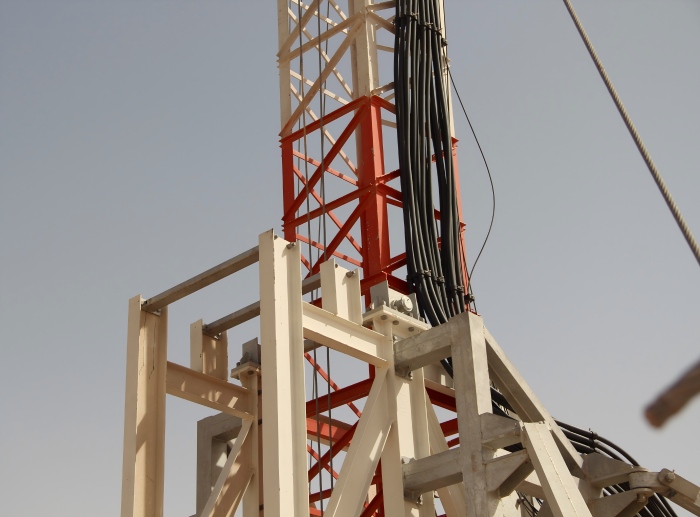
DfS adopta el principio de que "reemplazar es más rápido que reparar" a nivel de campo.
· Módulos de acceso frontal e intercambio en caliente: Los componentes críticos, como los módulos rectificadores, los transceptores de RF (RRU) y los ventiladores de refrigeración, deben ser unidades modulares listas para usar. Deben ser accesibles desde la parte frontal del gabinete, extraíbles sin desmontar otros sistemas y contar con conectores con enclavamiento positivo y LED de estado claros. Un técnico de campo puede reemplazar un módulo averiado en menos de dos minutos.
· Conexiones estandarizadas: Al evitar los conectores propietarios en favor de los tipos estándar de la industria (por ejemplo, tipo N para RF, Anderson para alimentación de CC) se reduce la necesidad de kits de adaptadores especializados y se permite un acoplamiento más rápido y más confiable.
· Etiquetado y documentación integral: Cada componente principal, cable (en ambos extremos) y fusible debe tener una etiqueta legible por máquina (por ejemplo, código QR) y un identificador legible por humanos que se correlacione directamente con el planos de obra y sistema de gestión de activos Al escanear un código debería aparecer el número de pieza exacto, la fecha de instalación y una guía de reemplazo paso a paso en la tableta del técnico.
El diseño más útil evita que se produzcan fallos y los diagnostica instantáneamente cuando ocurren.
· Monitoreo Ambiental Integrado: Los sensores de temperatura, humedad, entrada de agua y posición de la puerta proporcionan información remota sobre el estado del sistema. Esto permite realizar mantenimiento según el estado, como la limpieza de filtros antes de que se produzca un sobrecalentamiento, en lugar de realizar reparaciones reactivas tras una parada.
· Sistema de Alarma Jerárquico: El sistema de gestión del COW debe proporcionar alarmas inteligentes y priorizadas. Una clara distinción entre una falla crítica de la unidad de radiofrecuencia y una advertencia leve de temperatura ambiente permite una correcta clasificación y asignación de recursos.
· Interfaces de diagnóstico local: Además del monitoreo remoto, una pantalla local simple y bien iluminada con una interfaz basada en menú puede brindar información vital (voltaje de CC, estados del módulo, historial de alarmas) incluso si el enlace de retorno primario está inactivo.
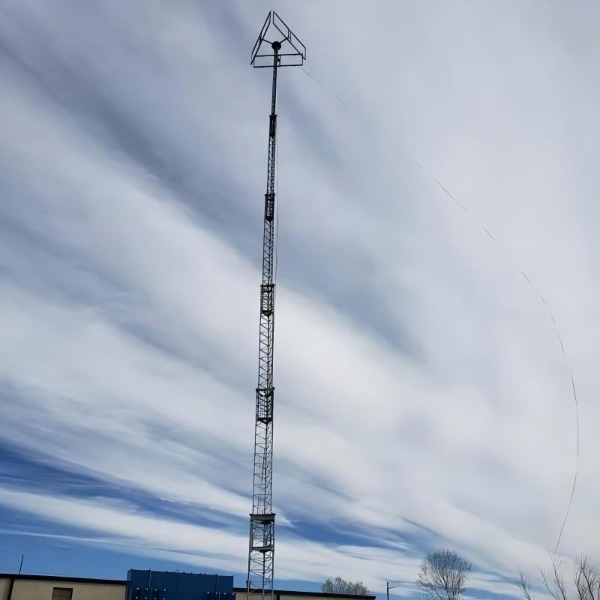
El ROI de DfS se calcula en métricas duras que reducen directamente el OPEX:
· MTTR reducido: El acceso optimizado y el diseño modular pueden reducir el tiempo de reparación en campo entre un 50 y un 70 %. Si una reparación tradicional tarda 120 minutos, una reparación de COW optimizada con DfS podría tardar 40. Esta rápida restauración protege directamente los ingresos y los acuerdos de nivel de servicio (SLA).
· Menores habilidades y costos laborales: Cuando los módulos son intercambiables en caliente y los diagnósticos son claros, muchas reparaciones pueden ser realizadas por un técnico de campo general en lugar de un especialista. Esto amplía la mano de obra disponible, reduce las tarifas y elimina las costosas demoras que supone esperar a que un especialista se desplace al sitio.
· Logística optimizada de repuestos: La modularización y la identificación clara de las piezas optimizan el inventario de repuestos. Los operadores pueden almacenar menos módulos estandarizados en lugar de una amplia gama de subcomponentes, lo que reduce el capital inmovilizado en el inventario y simplifica la logística.
· Mayor vida útil y confiabilidad de los activos: Un acceso más sencillo facilita el mantenimiento preventivo proactivo (limpieza, inspecciones, comprobaciones de par), lo que evita que pequeños problemas deriven en fallos catastróficos. Esto aumenta la vida útil del COW y protege la inversión inicial en capital.
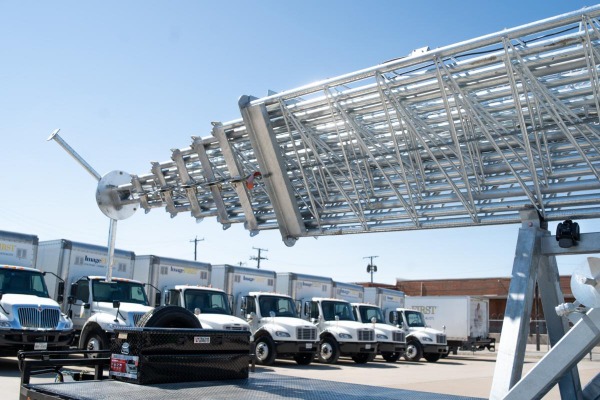
Para los COW, el Diseño para la Facilidad de Servicio no es una consideración secundaria que se añade en las últimas etapas del proceso de diseño. Es una disciplina fundamental de ingeniería que debe priorizarse junto con el rendimiento de RF y la integridad estructural. Al diseñar para un acceso rápido, la intercambiabilidad modular y el diagnóstico inteligente, los fabricantes permiten a los operadores de red lograr una eficiencia operativa sin precedentes. El resultado es una reducción drástica de las paradas no planificadas, una disminución significativa de los costes de mantenimiento a largo plazo y una mejora sustancial del Coste Total de Propiedad (CTP). En un sector donde la disponibilidad de la red es fundamental, invertir en facilidad de servicio es invertir en resiliencia y rentabilidad.
Obtenga más información en www.alttower.com



 Red IPv6 compatible